Five Things We Learned from the US GP
The Grand Prix in Miami delivered a clear message: the balance of power is shifting, early-season trends are becoming more visible, and the 2026 VFC season remains wide open. Between Razor GP’s comeback, Seawolf’s clear step forward, and the first signs of form trouble elsewhere, the United States GP provided plenty of answers.
Razor GP Is Back
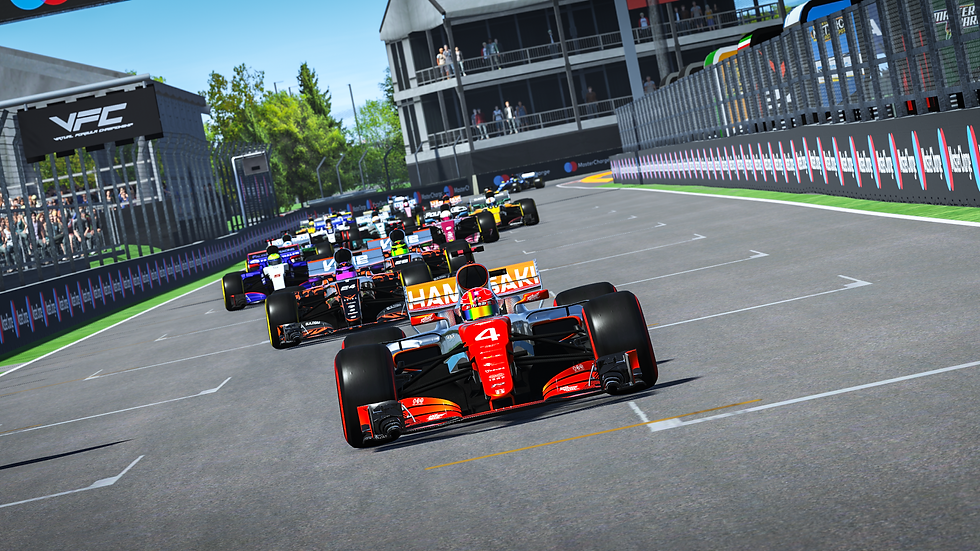
After a difficult start to the season, Razor GP made a clear statement in Miami.
The 2025 runners-up in both the Drivers’ and Teams’ Championships had struggled to get their new package working in the opening races. Canada already hinted at improvement, but Miami confirmed it.
With another major update package and a fresh engine for both cars, Razor GP was competitive from the start. Fabian Walter made full use of that performance. Despite technical issues during the decisive qualifying segment, he secured a solid starting position.
At the start, Walter benefited from a collision between teammate Bastian Paisler and stand-in driver Benjamin Gielczynski, which allowed him to gain positions early. From there, he worked his way to the front and controlled large parts of the race.
A Safety Car phase briefly put his strategy into question, as he pitted while his direct rivals stayed out. However, Walter was able to close the gap again during the race and eventually pull clear once more.
With this victory, Razor GP has firmly re-established itself as a serious contender for top results.
Seawolf Shows Clear Progress

Seawolf NetRace Motorsport was one of the positive stories of the weekend.
After a difficult start to the season with just one point, the team showed clear improvement in Miami. The latest upgrades had an immediate impact and delivered a noticeable step forward in performance.
The standout performance came from Benjamin Gielczynski, who qualified third on his VFC debut. Despite the start collision, he remained composed throughout the race and finished fourth, only narrowly missing out on the podium.
Alex Woitala also finally completed a clean race without major incidents and was rewarded with sixth place.
This development suggests that Seawolf could regularly fight for points — and possibly even podiums — in the upcoming races.
Kolvenbach’s Form Continues to Drop

A negative trend is becoming increasingly visible for Heiko Kolvenbach.
After a solid start to the season, his performance has noticeably declined in recent races. In Miami, he finished only twelfth — a result clearly below his own expectations.
What stood out most was his loss of pace over the course of the race. While he was still able to keep up with the leading group in the opening phase, he continued to lose time during the longer stint.
With this result, Kolvenbach has most likely dropped out of the title fight altogether. It will now be crucial for him to quickly regain stability and confidence in his package.
Six Races, Six Winners

The 2026 VFC season remains exceptionally unpredictable.
After six races, there have now been six different winners — a statistic that underlines just how open this season has become. This trend was already visible in Canada and was confirmed once again in Miami.
The field is extremely competitive, and several drivers have the potential to win races.
Looking ahead to Imola, another new winner in the seventh race would certainly not come as a surprise.
A Successful Debut in Miami

The Miami International Autodrome made its debut on the VFC calendar and delivered a convincing race.
Before the weekend, expectations were mixed, especially regarding overtaking opportunities and race flow. The race itself, however, painted a different picture: several battles, varied strategies, and typical street-circuit moments created an entertaining Grand Prix.
Mistakes were punished, while clean race execution was rewarded.
Overall, Miami’s debut can be considered a success — with clear potential for future races.


Comments